Curtiss OXX-6 V8: Reverse Engineering to Augmented Reality
Teardown, measurement, and animated CAD reconstruction of a 1916 aircraft engine
- Role
- Led the reverse-engineering and CAD reconstruction
- Status
- Deployed
Headline results
The problem with a hundred-year-old engine
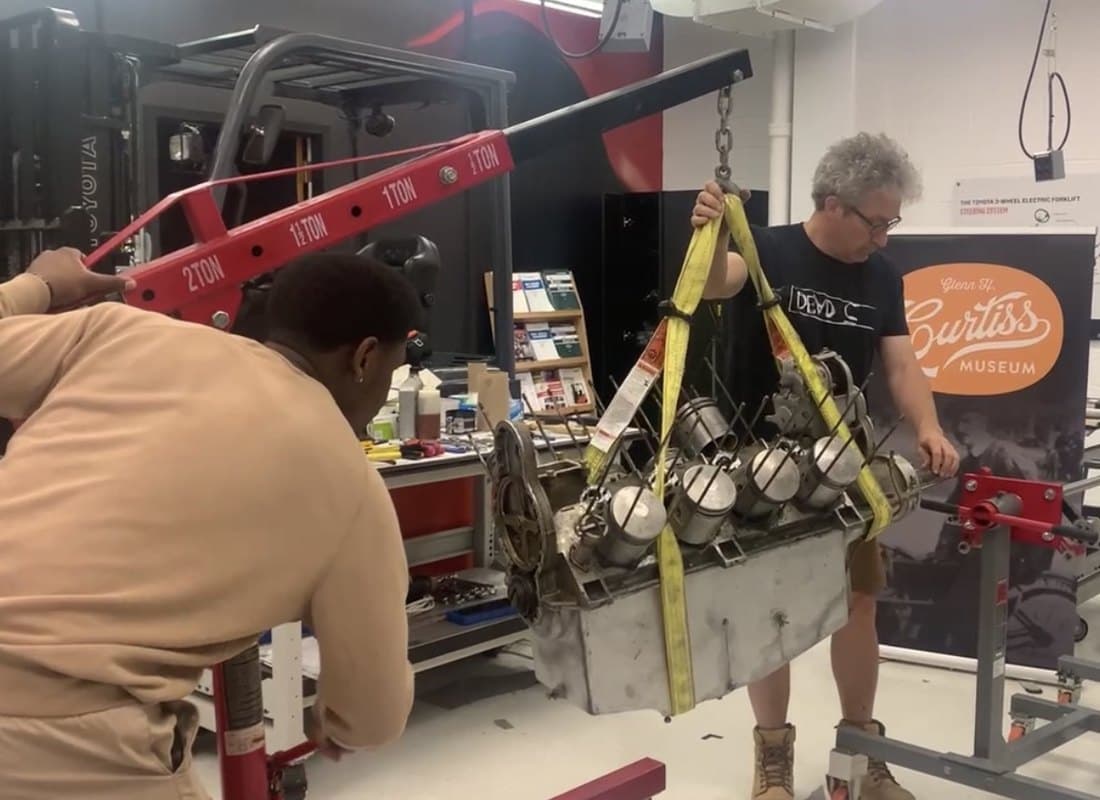
The Glenn H. Curtiss Museum holds a 1916 Curtiss OXX-6, a V8 that was among the first mass-produced aircraft engines in the United States. What it does not hold is documentation. There were no drawings to work from, no parts list, and no assembly sequence — only the engine itself.
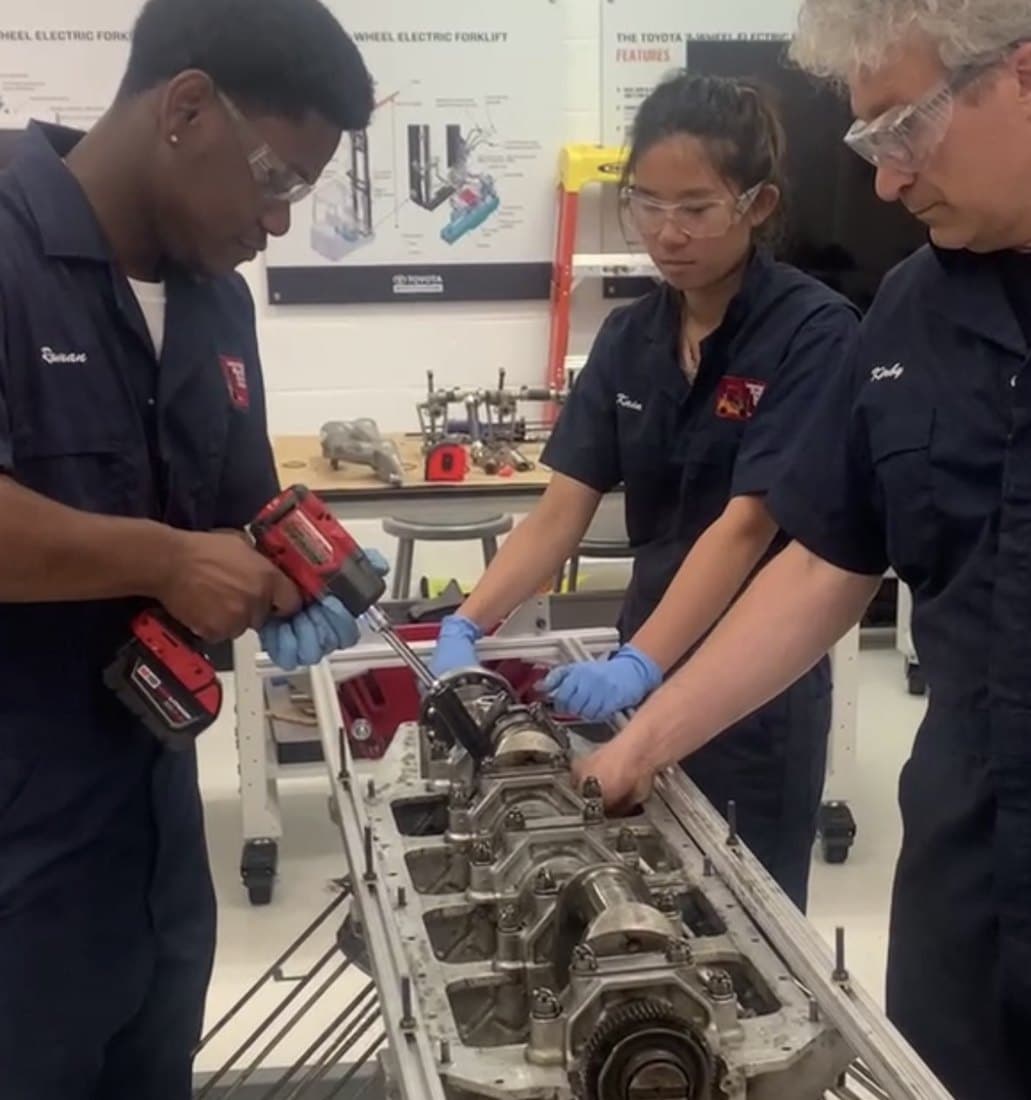
That makes this a metrology problem before it is a CAD problem. Every dimension in the final model had to be measured off a physical part, and every relationship between parts had to be inferred from how they fit together.
Reconstruction
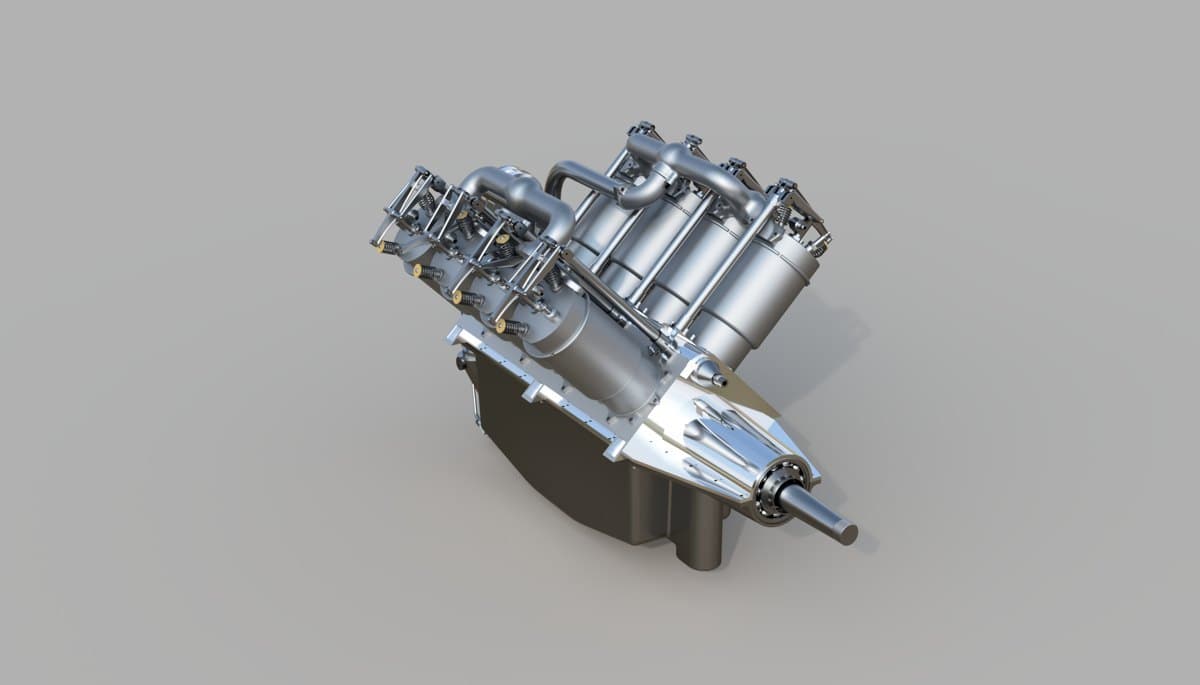
I rebuilt the engine in Fusion 360 as a complete assembly — not a static shell, but a model with the actual kinematic relationships in place, so the crankshaft, connecting rods, pistons, and valvetrain move the way the real mechanism does. Animating the assembly is what turns a model into a teaching artifact: a still render shows what an engine looks like, and an animated one shows what it does.
From CAD to augmented reality
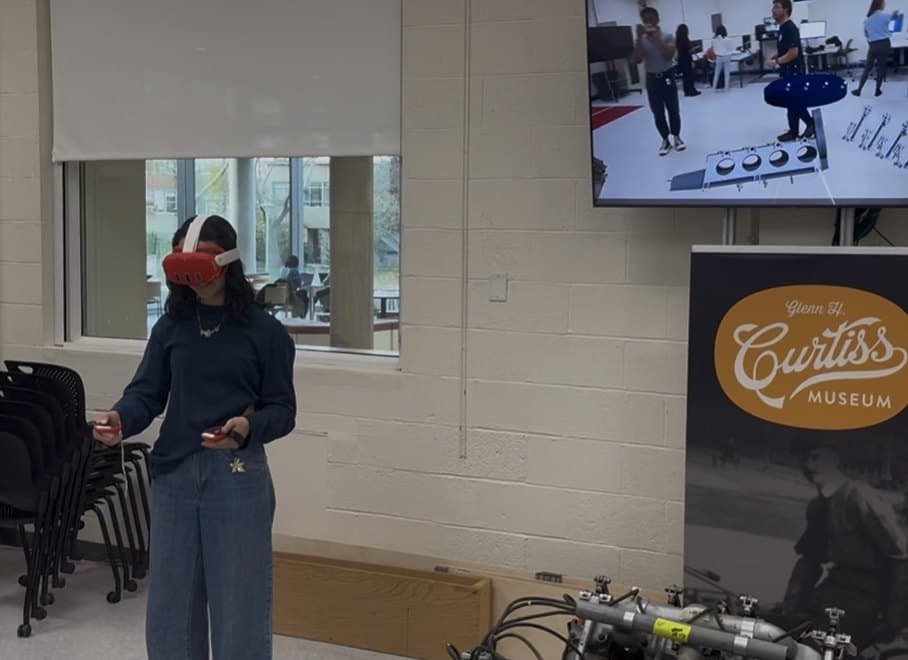
The finished model drives an interactive augmented-reality experience the museum and students now use to dissect the engine virtually — pulling apart an assembly that in physical form is far too fragile and far too valuable to hand to a visitor.