All projects
Toyota Forklift Studio, Cornell University

Forklift Engine Test Campaign

Characterizing the performance of a Toyota 15Z inline-six on an instrumented test stand

Role
Team and individual contributions
Status
Completed
Forklift Engine Test Campaign

Headline results

15Z
Toyota inline-six engine under test
P–V
Indicated work extracted from in-cylinder pressure traces
Engine TestingData AcquisitionThermocouplesPressure TransducersData Reduction
01

The campaign

The Toyota Forklift Studio maintains a production 15Z inline-six on an instrumented test stand for teaching engine performance characterization. The work here was measuring what the engine actually does across its operating range — not simulating it.
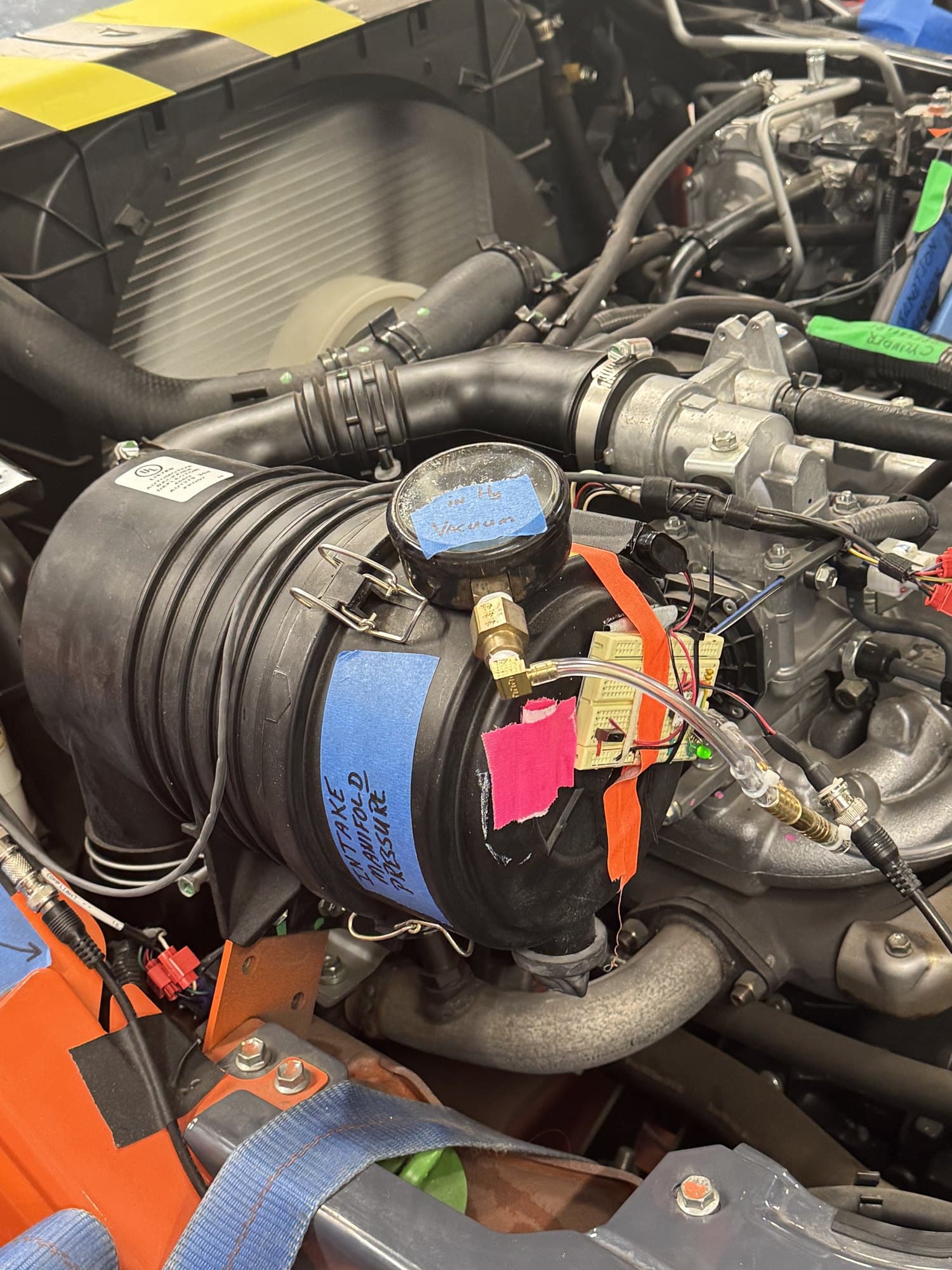
Figure 1: The instrumented 15Z on the stand, with sensor leads and thermocouples routed to the acquisition system.
02

Measurements

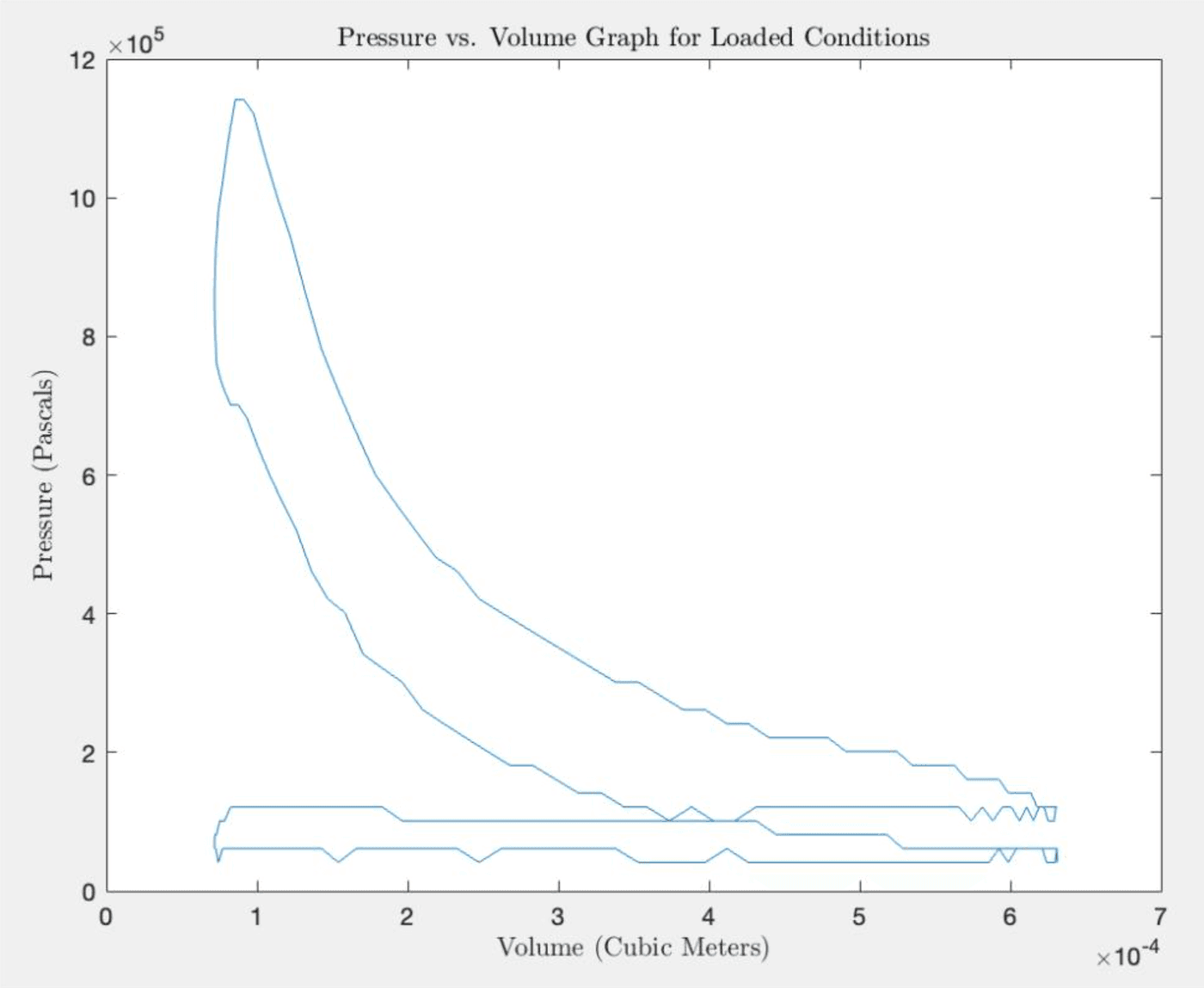
The core measurement is in-cylinder pressure against cylinder volume through the cycle. The area enclosed by that loop is the indicated work per cycle, which is what separates what the thermodynamics delivers from what makes it out to the crankshaft after friction and pumping losses.
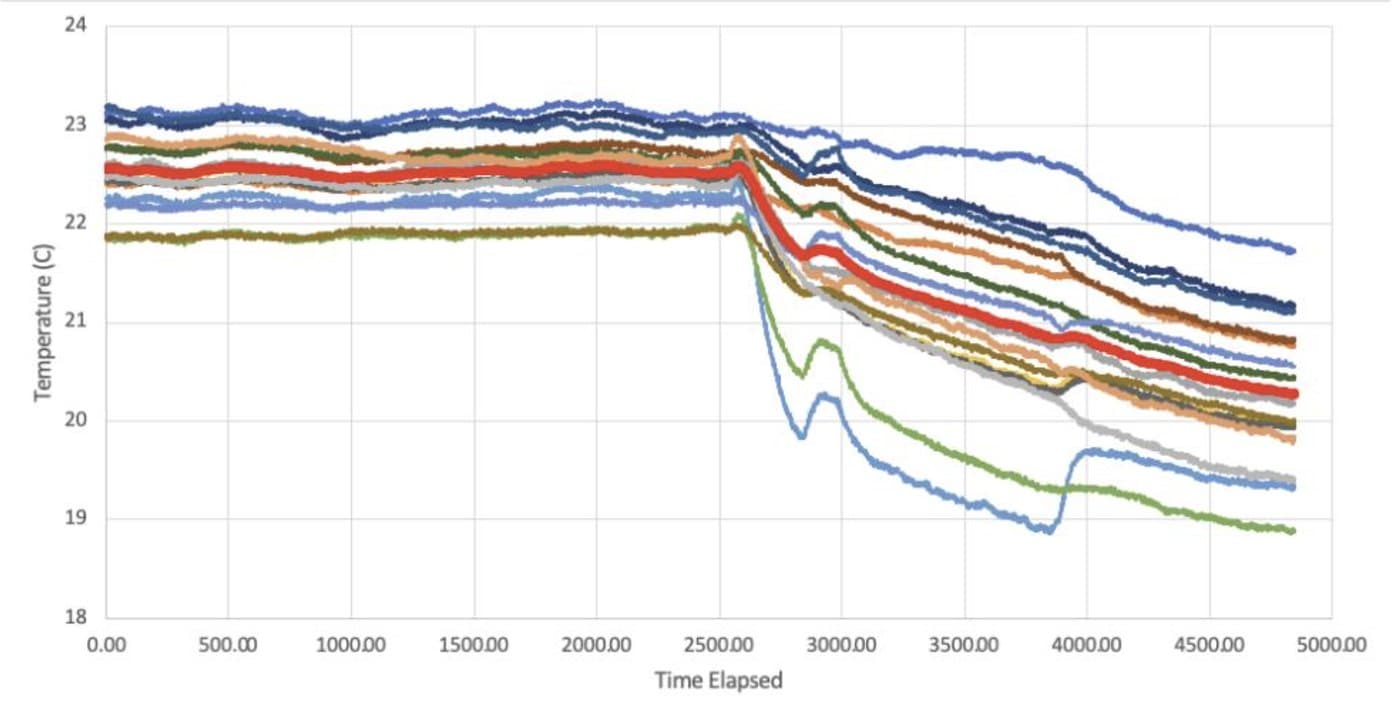
Figure 2: Pressure–volume traces under loaded conditions. The enclosed area gives indicated work per cycle.
Figure 3: Multi-channel temperature response through a load transition.

Alongside the pressure work, multi-channel thermocouple logging tracks how the engine sheds heat as load changes — the divergence between channels after the transition is where the thermal path through the engine becomes visible.
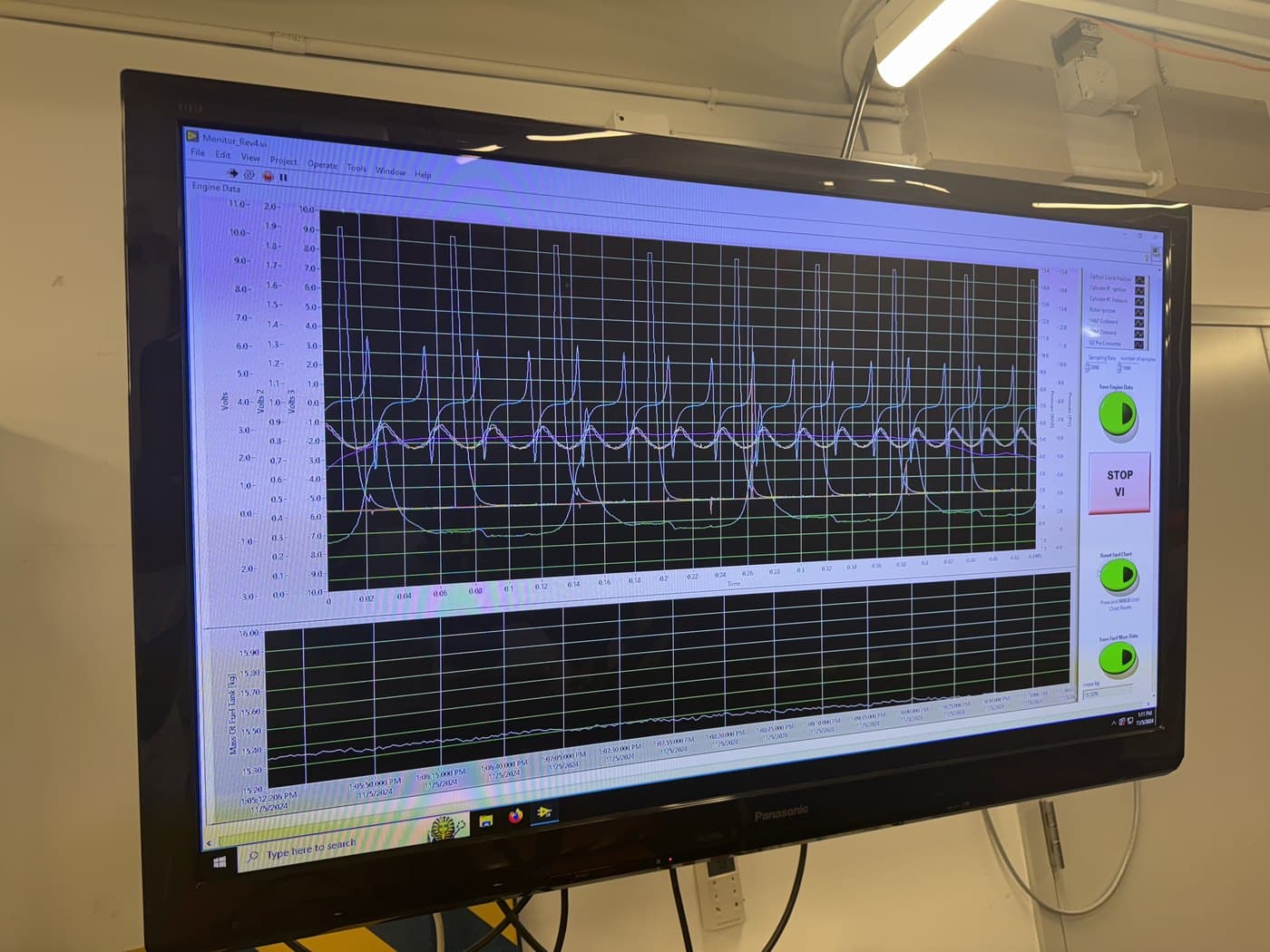
Figure 4: Live acquisition during a run — pressure traces streaming to the operator display.